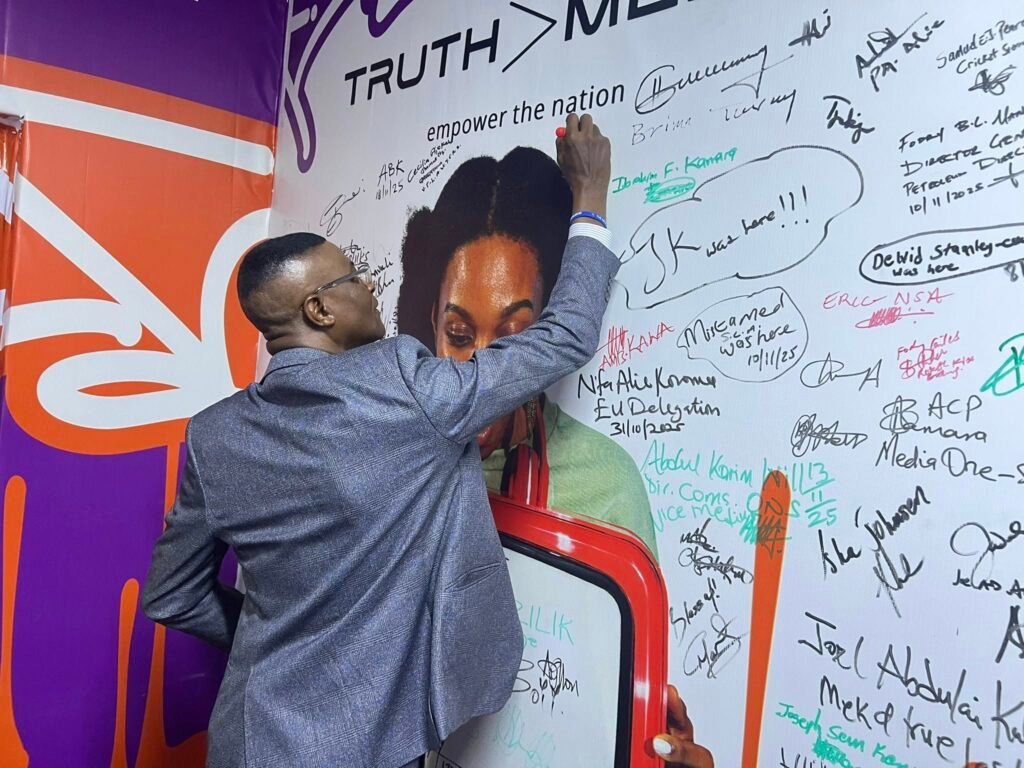
Freetown, December 8 2025 – The newly appointed Director General of the National Disaster Management Agency (NDMA), John V. Rogers, on Thursday made his first media appearance since his appointment by His Excellency President Julius Maada Bio. Speaking during a special engagement on Truth Media, the DG outlined his vision for the Agency and highlighted ongoing reforms aimed at strengthening disaster preparedness, response, and recovery nationwide.

DG Rogers said the NDMA has made significant progress in building a strong policy and operational framework to guide disaster management efforts across the country. He referenced key policy documents developed by the Agency, including the Service Delivery Charter, Preparedness, Response and Recovery Plan, Risk Management Policy, and the Standard Operating Procedures for Relief Support in Sierra Leone.
As part of efforts to improve data management, he disclosed that the Agency has acquired tablets and digital tools such as the Sierra Leone Incident Management System (SLIMS) and other Kobo based tools that now enable real time data collection, coordination, and storage. He further revealed that the NDMA has procured a drone to support aerial assessments by capturing high quality images and videos to guide emergency interventions.
The Director General also emphasized the Agency’s continued work in addressing risk in prone communities particularly in Freetown. He noted that the NDMA has mapped out flood prone areas and is taking consistent steps to minimize hazards.
“Every year, we implement a robust flood mitigation strategy, clearing clogged drainages, engaging communities, and helping residents adapt within their environments,” he said.
On capacity-building, DG Rogers highlighted the NDMA’s strategic partnerships with Bournemouth University in England and Georgia University in the United States. He revealed that through these collaborations, the Agency secured a Commonwealth Scholarship last year for one of its staff, who is currently pursuing a Master’s degree in Disaster Management. He pledged to pursue more international training opportunities to strengthen the Agency’s human resource base.
He also commended the World Bank for its unwavering support to the NDMA. According to him, the Bank has provided extensive office equipment, supported nationwide simulation exercises, and is funding the construction of a state-of-the-art Emergency Operations Center. DG Rogers assured the Bank of NDMA’s commitment to meeting all benchmarks required for continued financial and technical support.
The DG further disclosed that his new leadership has paid an official visit to the Turkish Embassy in Freetown to explore opportunities for equipment and technical support. He said Turkey’s advanced expertise, technology, and strong track record in disaster management make it a strategic partner for the NDMA. He pledged that his leadership will continue to pursue national and international support to enhance the Agency’s operational effectiveness.
Touching on coordination and collaboration, he emphasized that the NDMA maintains strong relationships with local actors in managing disasters. He pointed out the Agency’s Inter Pillar Coordination Group (IPCG) meeting, a monthly platform that brings together MDAs, NGOs, and partners involved in disaster management.
“The IPCG meeting allows us to flag emerging issues and assign responsibilities to institutions and partners with the capacity and resources to intervene,” he said, adding that coordination would be strengthened at all levels.
DG Rogers also noted the NDMA’s decentralization efforts. He confirmed that through the support of UNDP, the Agency has established Regional, District, and Community Disaster Management Committees nationwide to integrate disaster prevention and response at the local level. These committees, he said, are composed of Chairpersons of Councils, Provincial Secretaries, Paramount Chiefs, youth groups, civil society actors, and community leaders.
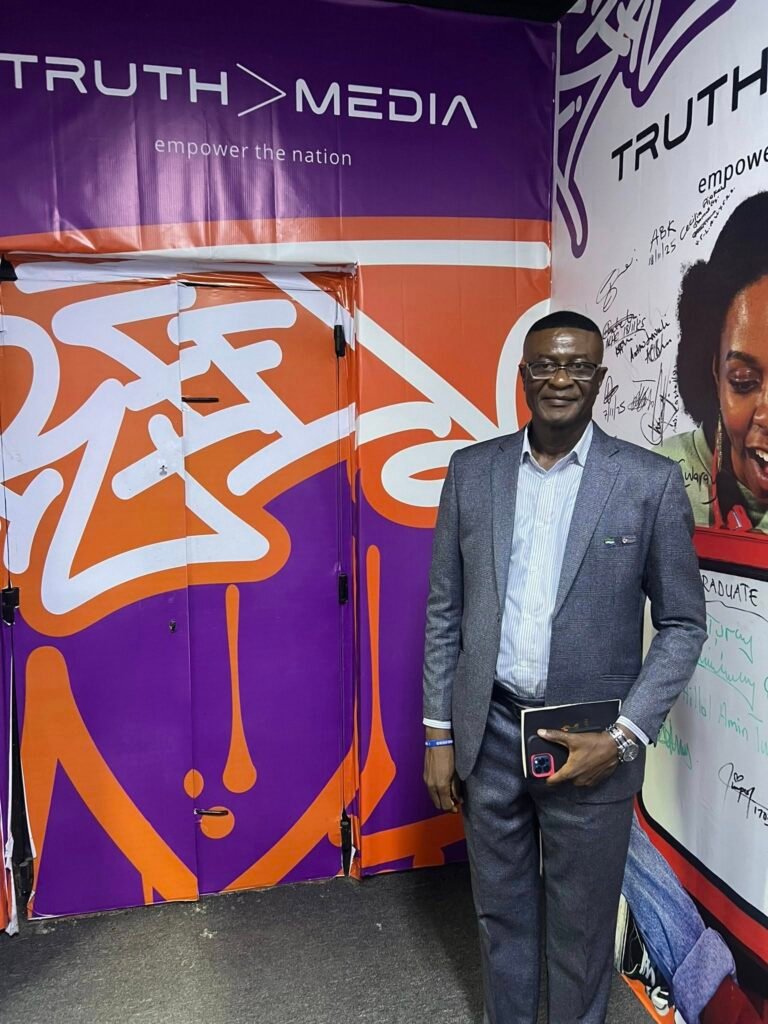
“Our focus is clear, we will strengthen Sierra Leone’s disaster management architecture so that every community is safer, better prepared, and more resilient.” The DG concluded.