NDMA Headquarters, Aberdeen, Freetown, 30 January 2026 – The National Disaster Management Agency (NDMA) on Thursday, 29 January 2026, hosted the first Inter-Pillar Coordination Group Meeting of the year, bringing together the Sierra Leone Meteorological Agency (SLMET), the Guma Valley Water Company (GVWC) and a host of partners to strengthen collaboration on disaster preparedness, risk reduction and response.
The Inter-Pillar Coordination Group (IPCG) serves as a critical platform for collaboration among Ministries, Departments and Agencies (MDAs), as well as national and international non-governmental organisations, and other partners to share risk information, align interventions and avoid duplication of efforts in disaster management. The IPCG promotes joint planning, early warning coordination, resource mobilisation and collective decision-making, thereby enhancing national resilience and ensuring a more coherent and effective disaster response system in the country.
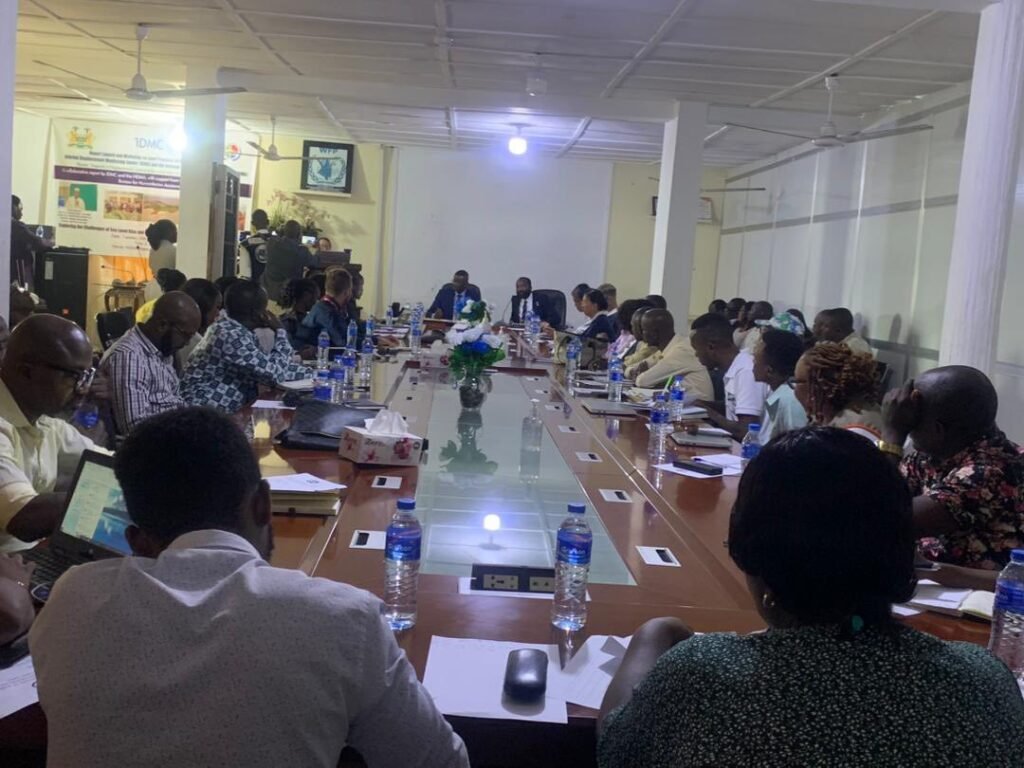
Opening the meeting, the Director General of NDMA, Mr. John V. Rogers, described 2025 as a particularly challenging year for the Agency and expressed appreciation to partners for their continued cooperation and support in addressing disasters across the country.
Mr. Rogers said that in 2026, NDMA will prioritise disaster risk assessment and monitoring, noting that district-level response and contingency plans will be reviewed to improve preparedness. He emphasised that 72 hours remains the minimum standard response time for effective disaster management.
He further disclosed plans to develop a structured training and capacity-building framework with partners to enhance disaster management skills nationwide, adding that while Government support remains critical, development partners continue to play a significant role in strengthening NDMA’s operations.
On inclusivity, Mr. Rogers noted that gender considerations are fully integrated into NDMA’s disaster management operations in line with international best practices, with special attention given to children, the elderly and persons with disabilities.
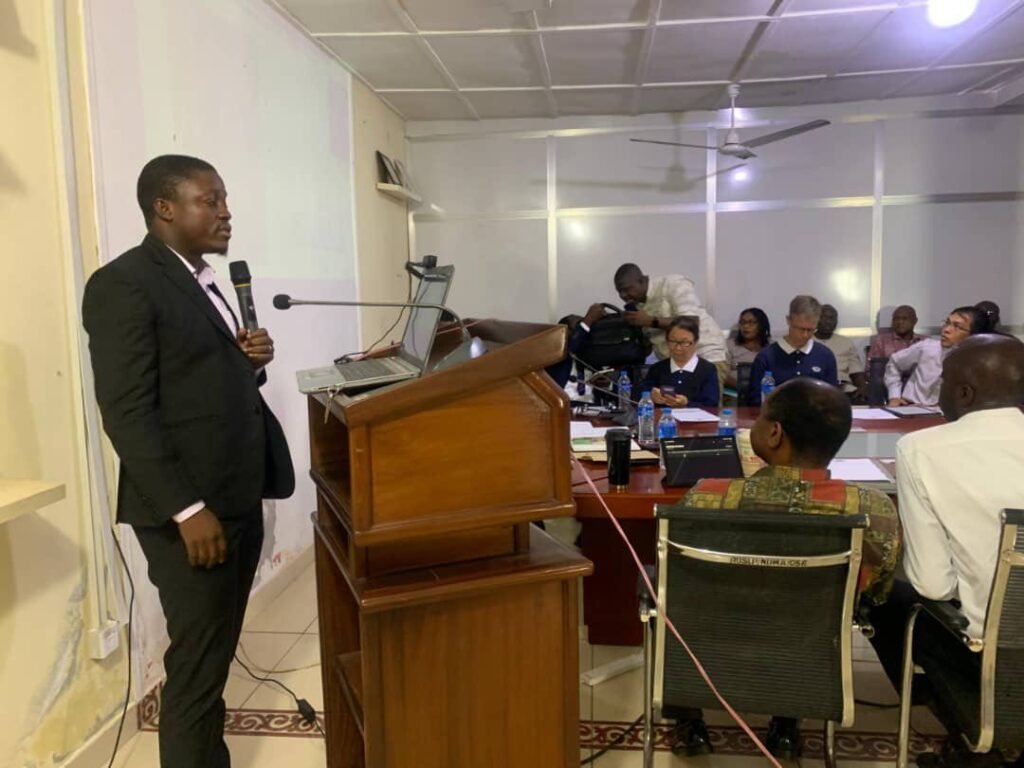
The NDMA Director General also expressed serious concern over poor waste management, attributing recurrent flooding in Freetown to indiscriminate dumping of garbage in gutters. He said NDMA is working closely with the Freetown City Council to address the issue, while condemning the proliferation of roadside garages that spill oil onto streets and heighten environmental risks.
In his presentation, the Deputy Director General of the Sierra Leone Meteorological Agency (SLMeT), Mr. Gabriel Kpaka, said the Agency’s core mandate is to collect, analyse and disseminate weather data in line with global standards. He noted challenges faced by end-users in interpreting meteorological information and revealed that SLMeT has developed a home-grown machine-learning forecasting system. He emphasised that expert judgement remains central to accurate forecasting and disclosed plans to issue regular weather bulletins and targeted advisories, particularly for the transport sector, including aviation and marine operators.
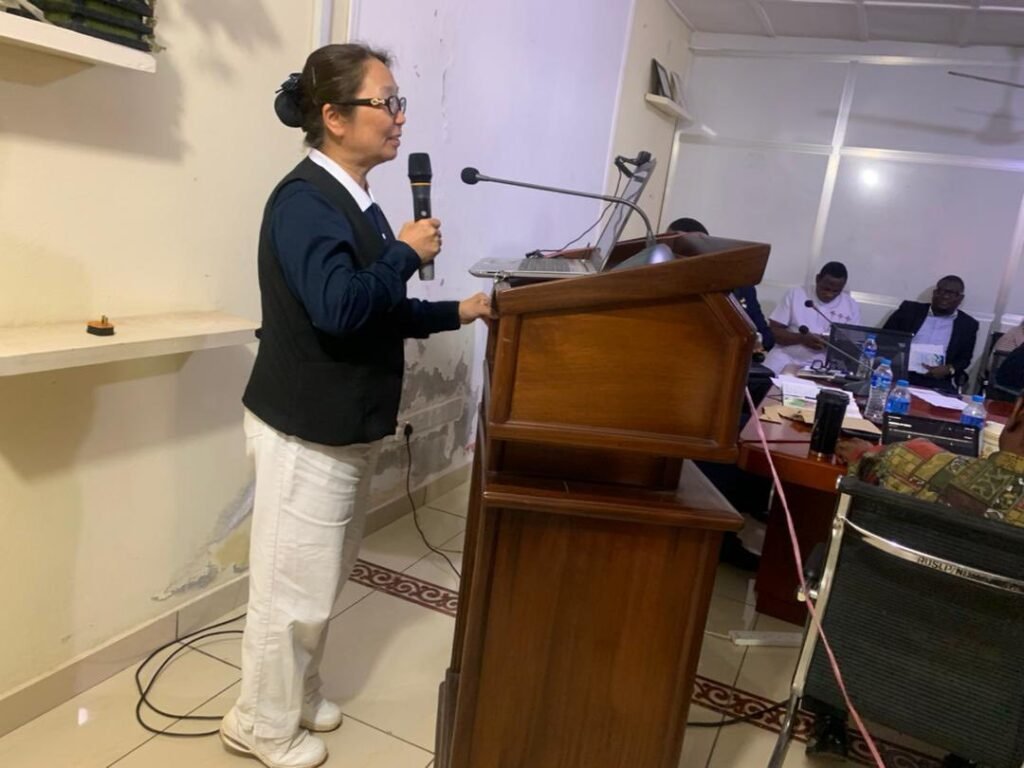
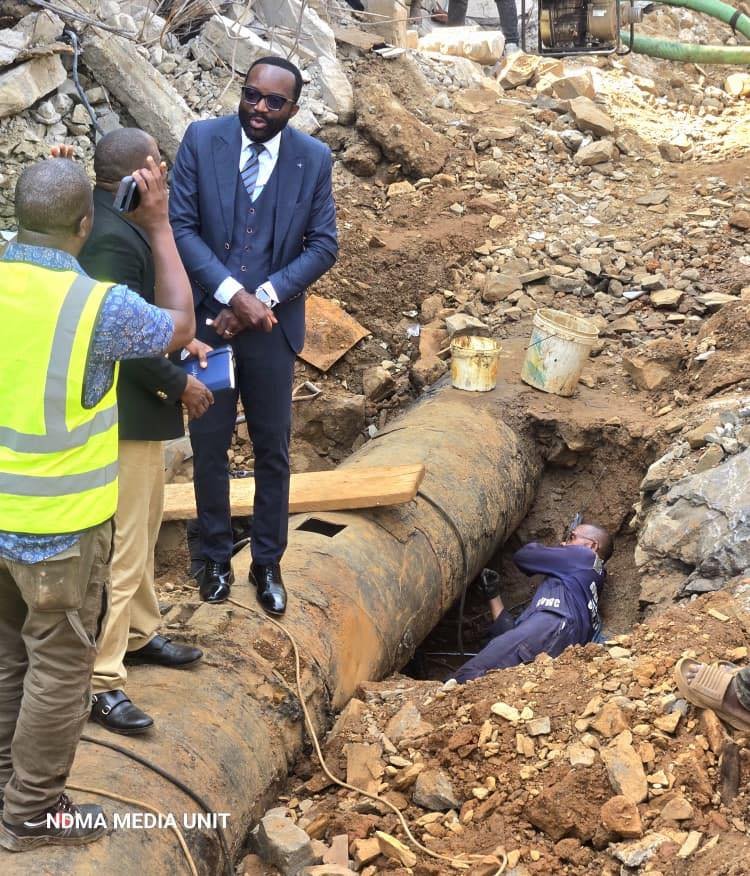
Speaking on behalf of the Guma Valley Water Company, the Managing Director, Mr. Marina Kallon, highlighted the serious threat posed by encroachment and rapid population growth, disclosing that 290 houses have been constructed on water transmission pipelines. He referenced the demolition of a two-storey building in the Mambo Community, undertaken in collaboration with NDMA, which resulted in the loss of 49,000 cubic metres of water during emergency repairs. He further revealed that the US$5 million Angola Dam has been heavily encroached upon and commended NDMA for its leadership and support.
As part of the agreed way forward, participants resolved that Guma Valley Water Company, working closely with the Ministry of Lands, NDMA and other relevant institutions, will intensify efforts to survey, document and clearly demarcate water transmission pipelines and catchment areas, address existing encroachments and prevent further illegal construction on critical water infrastructure. It was also agreed that institutions will continue coordination through the established inter-agency committee to review enforcement actions, including demolitions where necessary, and to strengthen accountability over the Right of Way and greenbelt protection.
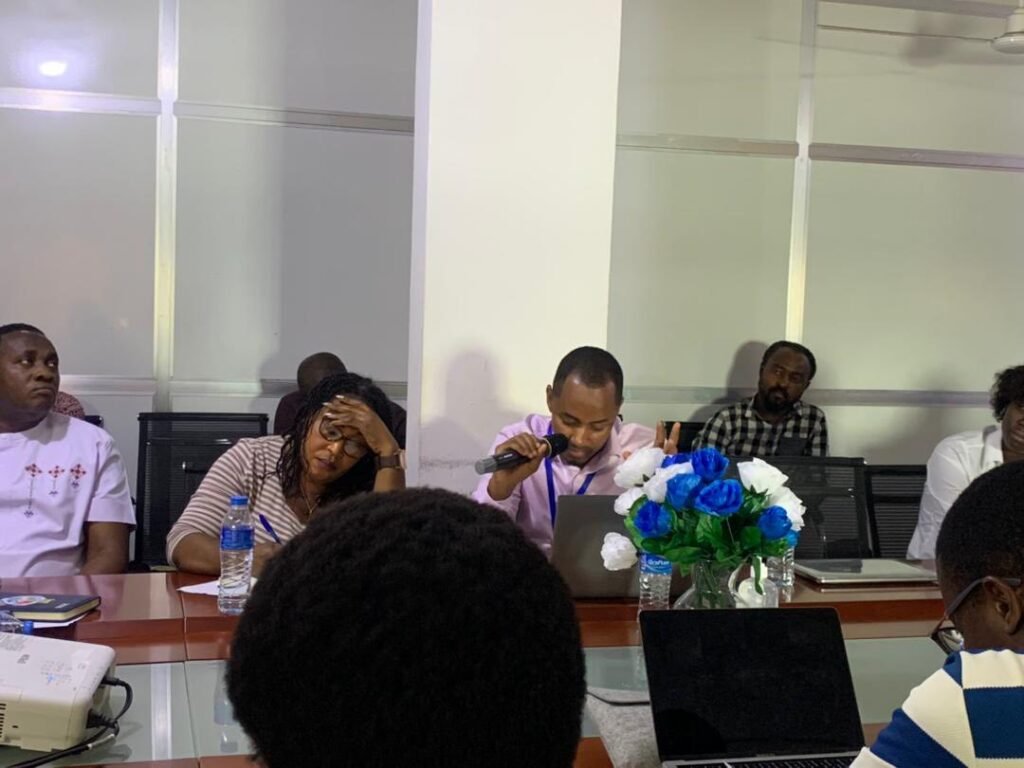
The meeting further underscored the need for NDMA and relevant authorities to clearly define and document institutional roles and responsibilities for disaster risk management, particularly around critical infrastructure and environmental protection, while improving knowledge management and public awareness on disaster risks. In addition, NDMA, SLMeT and partners committed to strengthening early warning dissemination through regular weather bulletins, targeted advisories and improved communication channels to enhance preparedness and national resilience.
Closing the meeting, Mr. Rogers reaffirmed NDMA’s commitment to sustained coordination, proactive risk reduction and collective responsibility, noting that protecting critical infrastructure and environmental assets remains central to safeguarding lives and livelihoods across Sierra Leone.