Freetown, April 27, 2026 – The National Disaster Management Agency (NDMA), with support from the World Bank, has successfully concluded its district-level engagements on the development of District Contingency and Emergency Preparedness and Response (EPR) Plans in Port Loko District.
The engagement, which ended on Wednesday, April 23, 2026, is supported under the Resilient Urban Sierra Leone Project by the World Bank. It engagements began on April 16, 2026, in Waterloo, where local authorities and community stakeholders were engaged and collaborated to develop district-specific plans tailored to their unique environmental and hazard-related challenges. The exercise later moved to Port Loko for its final phase.
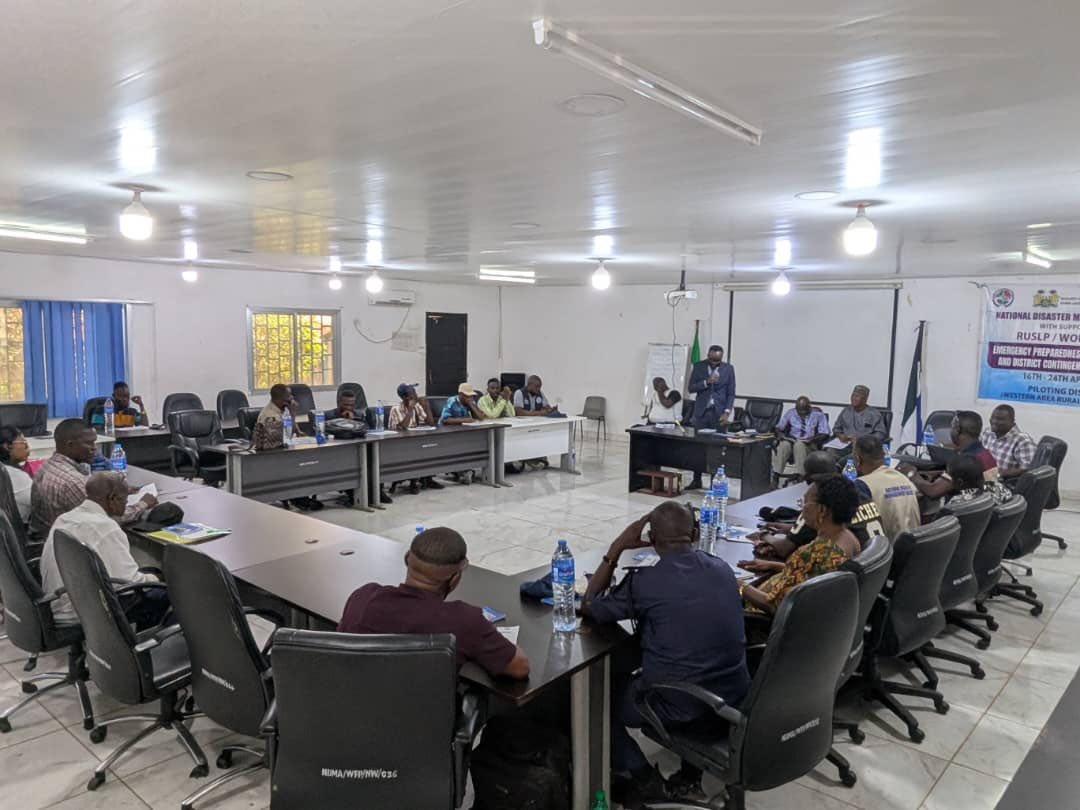
This initiative is part of NDMA’s broader national effort to strengthen disaster preparedness systems and ensure effective coordination at the district level during emergencies.
NDMA’s Director General, John Vandy Rogers, at the opening ceremony in Waterloo, emphasized that the support from the World Bank has been instrumental in delivering this initiative. He noted that both the financial and technical assistance from the World Bank to implement this activity will significantly enhance NDMA’s operational capacity at the district level.
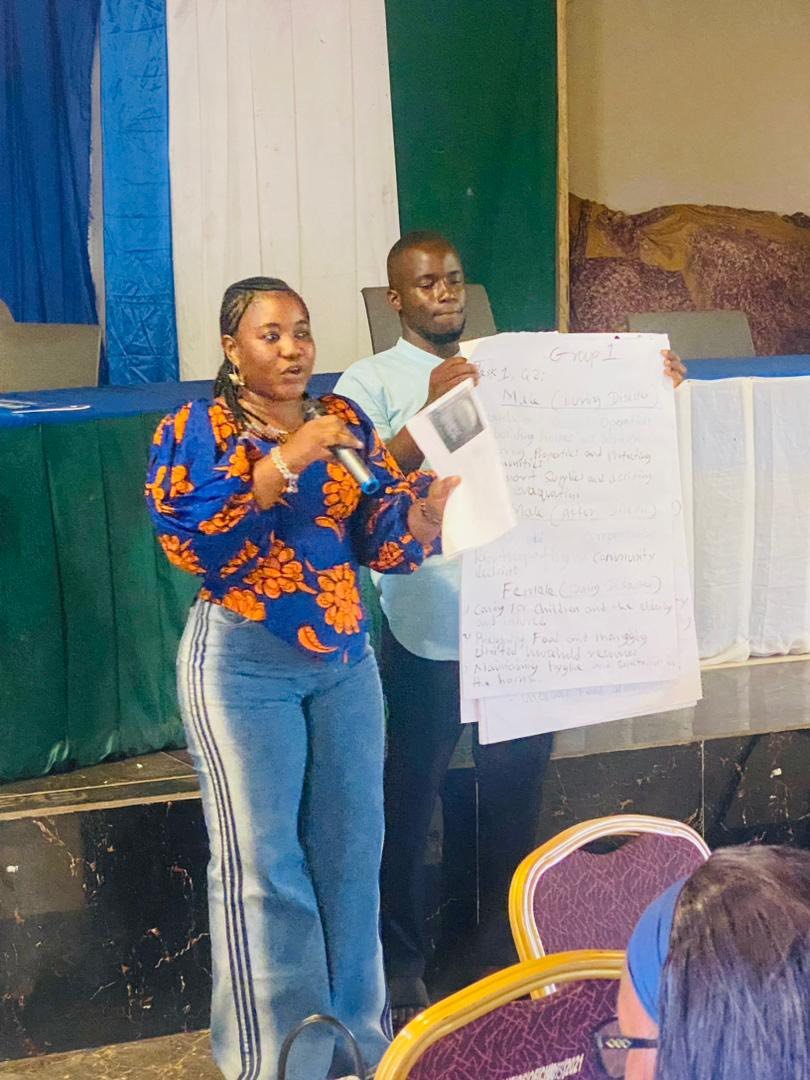
“The pilot in Western Area Rural and Port Loko districts is expected to serve as a model for rollout across the country,” he said.
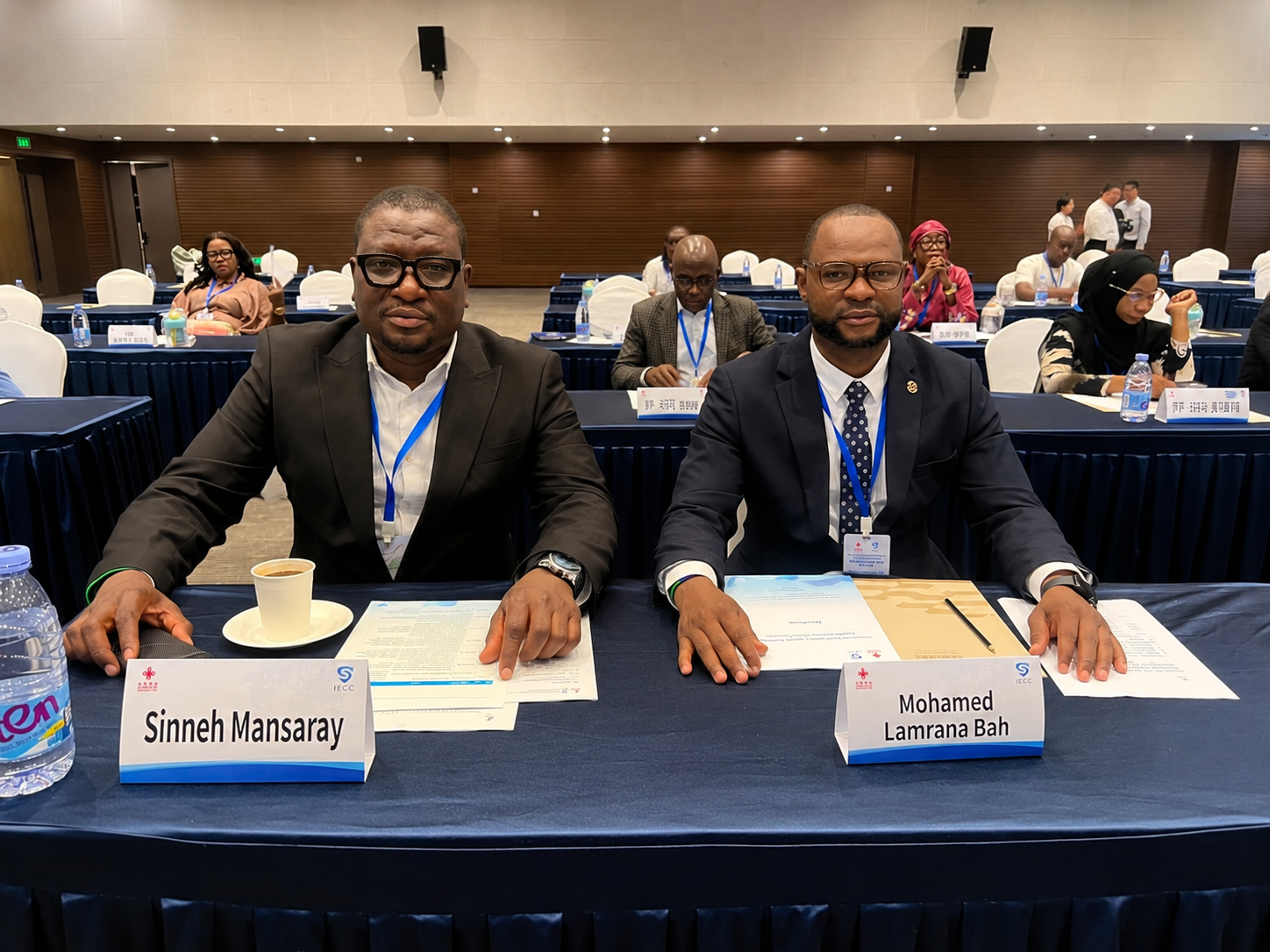
During the Waterloo engagement, NDMA’s Director of Relief and Response, Sinneh Mansaray, led the discussions and highlighted the importance of developing clear and practical district plans to guide coordinated emergency response within local communities.
In Port Loko, the Deputy Director General, Suilman B. Sowa, provided leadership throughout the engagement. In his opening remarks, he stressed the importance of clarity and coordination in emergency response.
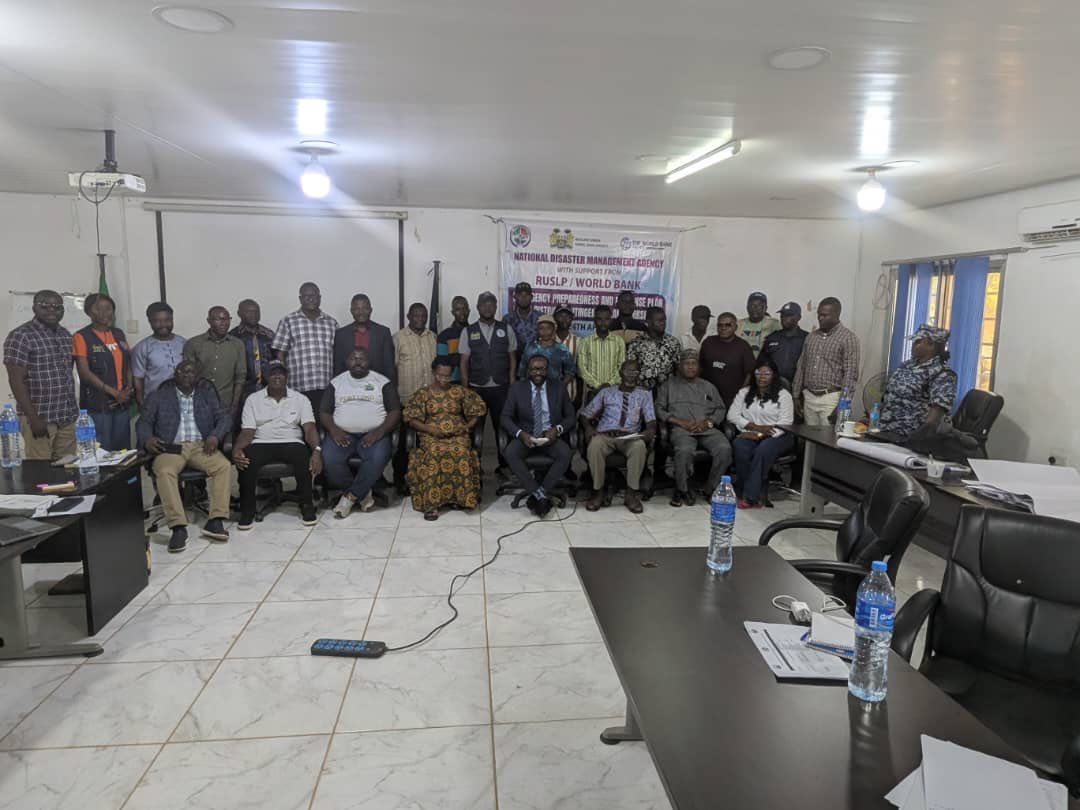
“This engagement is about ensuring that every district has a clear and coordinated plan that defines how we act before, during, and after emergencies. When roles are clearly outlined and systems are tested, we reduce confusion and save lives.”
He further emphasized that after the contingency and EPR plans are being developed, they will not merely be documents but practical tools that will guide coordination and ensure timely, effective responses at the district level.
Participants included representatives from district councils, security agencies, government ministries, traditional authorities, civil society organizations, and youth groups, all of whom made valuable contributions throughout the process. Key institutions represented included the Republic of Sierra Leone Armed Forces, Sierra Leone Police, National Fire Force, District Health Management Teams, and the Sierra Leone Red Cross Society.
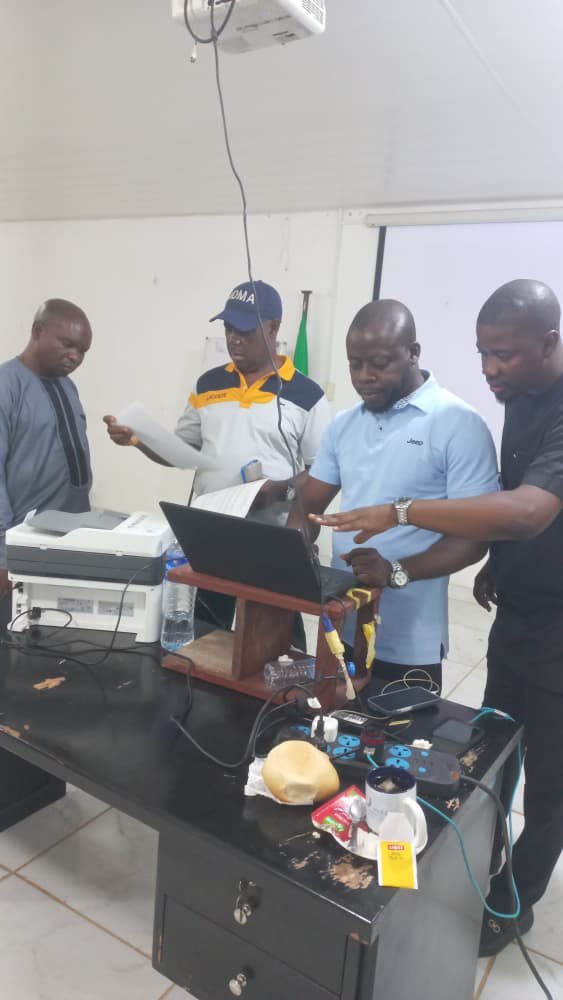
At the end of each engagement, participants underwent training in hazard and risk assessment, scenario building, and Tabletop Exercises (TTX). These simulations enabled stakeholders to test coordination mechanisms by replicating real-life disaster situations.
Once finalized, the district contingency and EPR plans are expected to significantly enhance preparedness and coordination across all districts. The initiative will improve response times, reduce confusion, and strengthen inter agency collaboration during emergencies such as flooding and other hazards nationwide.
For More Enquiries:
Directorate of Communications
Toll-free line: 1199 (all networks)
Email: mohamedIbah@ndma.gov.sl